
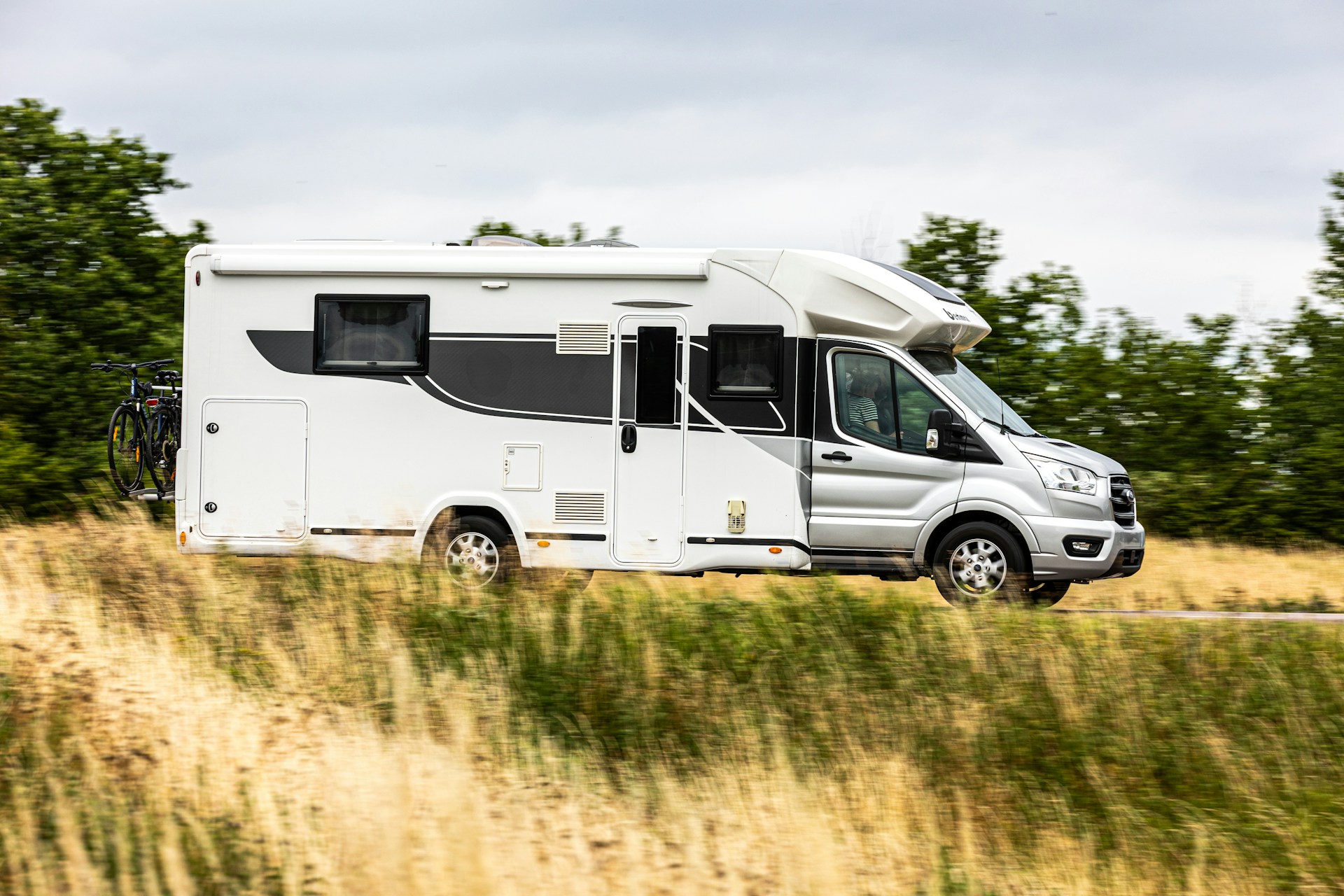
Monthly RV resort living in Central Florida can be a smart way to control your cost of living while still enjoying a relaxed, resort-style life. You get a place that feels like home, but with more flexibility than a condo or house. For many guests, the appeal is simple: you bring your home on wheels, park it in a beautiful spot, and let the resort handle most of the details.
Central Florida adds even more value. You get sunny days, plenty of daylight, and lots of local attractions and services close by. To really know if RV resort monthly rates fit your budget, you need to look past the base price and understand everything that goes into your monthly bill. That includes site rent, utilities, amenities, and extras like storage or golf carts.
In this guide, we will walk through how each of those pieces fits together, share ideas for building a realistic monthly budget, and offer tips to compare different resorts side by side. The goal is simple: help you feel confident about your numbers before you roll in and hook up.
When you hear “site rent,” it usually means the cost to park your RV on a full-hookup site for a set amount of time. At most Central Florida resorts, site rent typically includes full hookups for water, sewer, and electric connection, access to shared spaces like pools, clubhouses, and common areas, and basic services around the property such as grounds care.
You may also notice different rate styles depending on how long you plan to stay:
Prices can vary widely, and most of that variation comes down to a few common factors. Location matters (coastal or city-adjacent spots often cost more than inland areas), and the type of park matters too (a simple campground usually costs less than a luxury resort with many amenities). Seasonality also plays a role, since winter and holiday periods may be higher than slower times. Finally, the specific site you choose can change your total, because pull-throughs, premium views, and larger patios often have higher rates.
When you look at a rate sheet, it helps to confirm the key details upfront so you can accurately compare options:
Before you book a month or more, it helps to ask for an “all-in” estimate. That means a total expected monthly cost that includes rent, taxes, and any standard fees so you are not surprised when the bill comes.
Utilities can be a big part of your monthly budget, especially in a sunny, warm area like Central Florida. Most resorts handle utilities in one of two ways: either they include some services in the rate or they bill certain items separately. Common utility setups include electric (often metered and billed based on how many kilowatt-hours (kWh) you use), water and sewer (often included in your site rent), Wi-Fi or basic internet access (sometimes included, with upgrades as an extra cost), and trash service (usually included as part of resort operations).
Metered electric is where many guests are most curious, because your total depends on how you live day to day. RV size and insulation make a difference, as does how often you run your AC. Appliance use can also impact the bill, especially items like electric heaters, dehumidifiers, or large fridges.
Beyond utilities, regular living expenses can add up, so it’s smart to leave room in your budget for the basics:
Central Florida heat can mean more AC use at certain times of the year. Some ways guests keep the electric bill reasonable are closing blinds during the brightest part of the day, using fans, and keeping doors and windows sealed well. When you compare RV resort monthly rates, make a note of which places include electric and which bill it separately, and ask for a typical monthly range so you can plug real numbers into your plan.
Amenities may not show as line items on your bill, but they can change your budget in a big way. A resort with a strong amenity package can save you money in other parts of your life, especially if it replaces services you would otherwise pay for elsewhere.
For example, many Central Florida RV resorts offer:
If you use these often, you may spend less on gym memberships, paid entertainment or clubs, and extra local activities. In other words, a higher site rate can sometimes be balanced out by fewer “off-property” expenses.
Then there are optional add-ons that can raise your monthly total depending on what you choose:
Each guest has a different mix of “must-haves” and “nice-to-haves.” The key is to match your personal lifestyle with what the resort offers. Sometimes, a place with higher RV resort monthly rates but a strong amenity list and plenty of included activities can give you a lower overall cost of living compared to a cheaper park where you pay for entertainment and services somewhere else.
A clear budget takes the stress out of long-term stays. One simple way to start is to group your costs so you can see what is predictable and what might change from month to month:
For your first month at a new resort, track everything closely so you can replace assumptions with real numbers:
After one or two billing cycles, you will have a clear picture of your real spending, not just guesses. Keep in mind that total costs can look very different for different guests even at the same resort. A solo traveler who cooks at home and works online will likely spend differently than a retired couple who joins every activity or a working guest who commutes often.
When you start comparing resorts, try to look at the full picture instead of only the base rate. It helps to make a simple checklist and fill it in for each place you are considering so you can compare options consistently.
Key items to compare:
To compare “apples to apples,” convert any weekly or seasonal special into a true monthly cost. Then add in your best guess for electric, propane, and extras, and see how the numbers stack up. It can also help to ask questions before you book, especially if you are planning a longer stay:
Here in Webster, Florida, Oak Alley RV Resort is a good example of a luxury community where guests can weigh strong amenities, a large number of full-hookup sites, and an active year-round setting against their budget goals. Taking time to ask for detailed rate and utility information makes it easier to see how a place like this fits into your long-term plans and helps you arrive with clear expectations and more peace of mind.
If you are planning an extended stay, now is the perfect time to review our RV resort monthly rates and secure the spot that fits your needs. At Oak Alley RV Resort, we work to make long-term stays simple, predictable, and enjoyable. Reach out with any questions or special requests and we will help you find the right option for your stay. You can also contact us to confirm availability and finalize your reservation.